Hi – it’s Jane here from the Wild Bunch. As we near the end of April and frosts are mostly behind us, it is the perfect time to get started on creating a nectar and pollen-rich garden by sowing seeds, whether in a pot by your back door, a window box, a garden bed or in a spare corner of an allotment or open green space.
By attracting pollinators throughout the summer and autumn, we will be doing our bit to reverse the sad decline in the number of invertebrates – butterflies and moths, ants and spiders, bugs and beetles – in Britain. Nectar, which is sweet and sticky, attracts pollinators but is also an important source of food for insects. While feeding on the nectar, insects may also feed on pollen. Others, such as bees, collect it to feed their young. All will carry pollen on their bodies as they move from plant to plant, fertilising the flowers as they go, enabling them to produce fruits or seeds.
Pollen-rich plants will also help bring in birds who will feed on the insects now, and on the seedheads in later months. This has been recommended by the RSPB as a healthier way to feed birds in the summer months, as bird feeders can result in the spread of diseases like avian flu.
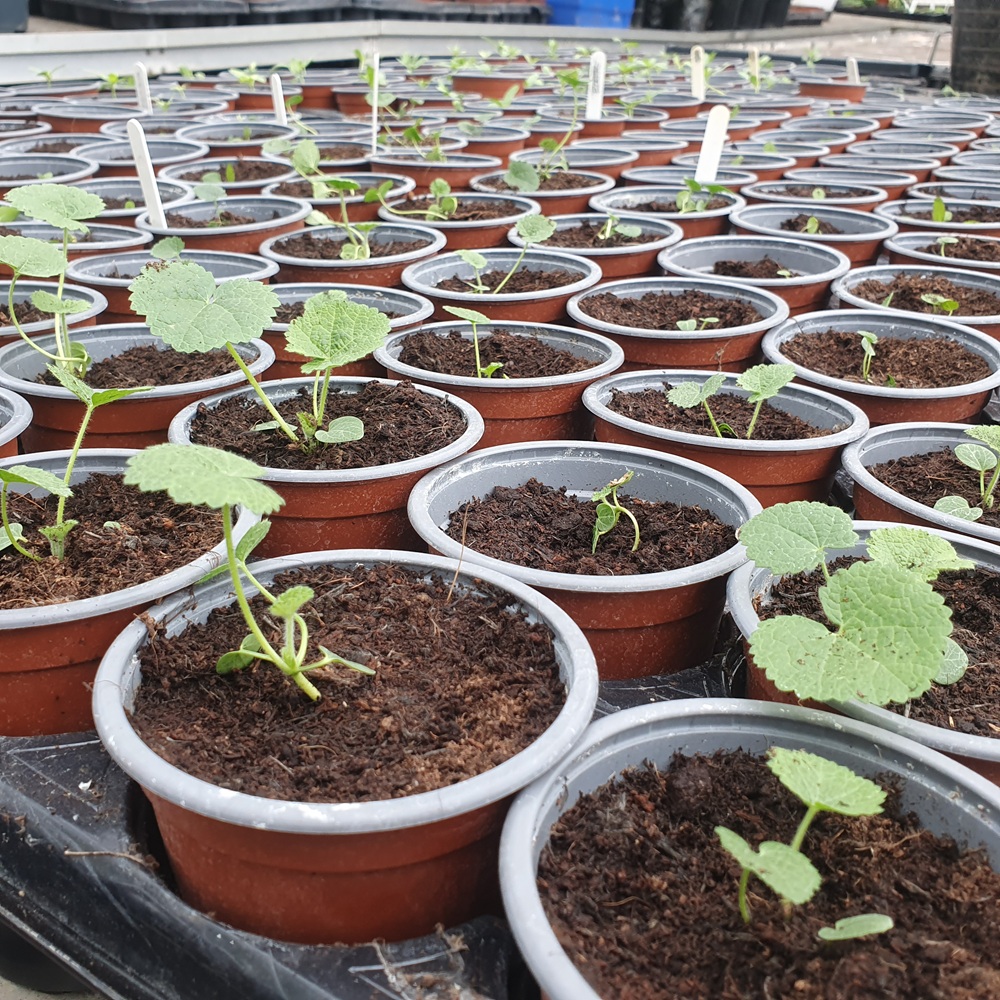
Packets of seeds for pollinators, such as nasturtiums or California poppies, can often be found quite cheaply in supermarkets or garden centres. If you are unsure of which flowers to grow, look for the ‘RHS Plants for Pollinators’ bee symbol on the front. If it is a native wildflower mini-meadow you would like to create, then visit the Meadow in My Garden website for advice on preparation and planting, plus seeds to buy. Better still, go along to the Seed Library in Frome Library for free seeds. The majority have been gathered from local gardens, meaning they are well suited to growing conditions in the Frome area. If using a pot, fill with some soil or compost, work down to a fine, crumbly finish and plant the seeds according to the packet instructions. Whether your seeds are in a pot or open ground, watering regularly is essential in the early stages when the seeds are germinating and the seedlings are getting established. Maybe ask a neighbour to keep an eye on them if you happen to be going away. Frome’s Seed Library doesn’t just have flower seeds, but vegetables and salad, too; plenty of reasons to get sowing!
If you would like to find out more about gardening for wildlife, come along to one of the free, quarterly Wild Bunch Gatherings. Go to www.bit.ly/frome-wild-bunch to book your space, to find out more about the Wild Bunch or to sign up for the e-newsletter with updates on events and gatherings. The next gathering will be on Thursday 16 July from 1.30pm to3pm in Rodden Meadow, when with the help of a butterfly expert we shall be out learning how to identify different species. We hope to see you there.