Hello, this is Peter from the Wild Bunch. At this time of year I could spend 24 hours a day in the garden and still have jobs left undone. To make things harder, we’ve had one of the driest springs on record after an endlessly wet winter. These extremes are especially challenging for the small co-inhabitants of planet Earth I want to focus on here, and the importance of helping them thrive.
In geological terms, it’s not long since the ancestors of life in our garden soils were also our ancestors. Much of the microscopic life in soil — especially bacteria — has changed little over millions of years. Some remained much the same, while others evolved towards humans. Remembering that connection may help us create conditions where all life can flourish.
I’m part of several online compost-making forums. Most members understand the vital link between living soil and human health. However, I’m often shocked by posts showing pupae or larvae met with incorrect identification and advice to ‘squash it if in doubt’. A pest is simply a creature in the wrong place at the wrong time for the gardener. Some certainly cause damage, but our first instinct should be wonder and curiosity. Is it really harmful? Can it be moved elsewhere? Does a little loss really matter?
This column has often suggested increasing the wilder areas of our gardens. While this helps hedgehogs, toads and larger creatures, it is equally important for the complex web of smaller life.
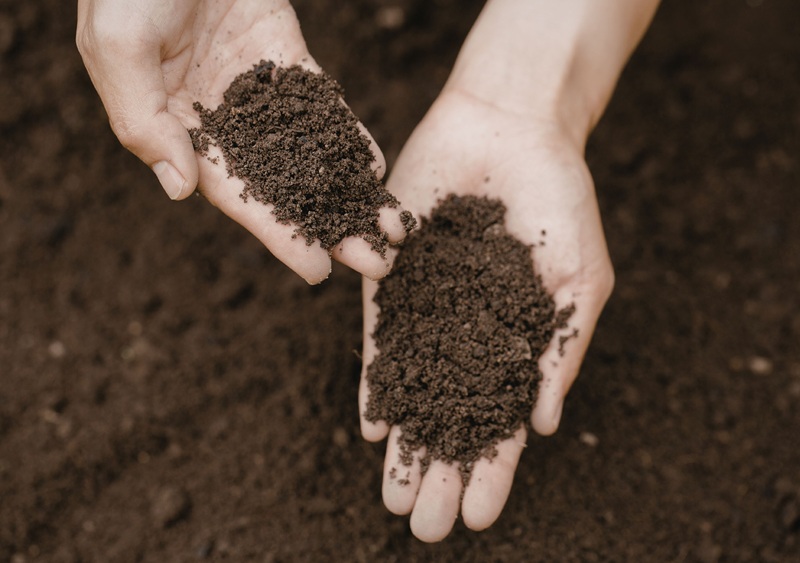
My bees didn’t survive to enjoy spring – like about half the hives in Somerset. Yet the patch of nettles and other ‘weeds’ at the end of the garden supports many other pollinators. Meanwhile, my compost-rich, undug soil sustains a vibrant ecosystem of insects and fungi. I may not know exactly what much of this life is, but I know it forms part of a delicate system we damage at our peril. Those tiny movements in the compost are made by distant cousins of mine.