Greetings, this is Peter from the Wild Bunch.
Over the last few decades, as the effects of climate change have become more apparent, one of the most confusing aspects is that the impact is not all ‘in one direction’. Summers are not simply getting hotter year by year, nor are winters always warmer and wetter. When we hear of ‘the hottest June day ever’, someone will inevitably reply, ‘Ah yes, but who remembers June 1976?’, which of course did have an exceptionally long hot spell.
What matters are the long-term trends. They show that the predictions made thirty years ago are coming true – just sooner and more intensely than expected. But in day-to-day life, those trends can be surprisingly hard to spot.
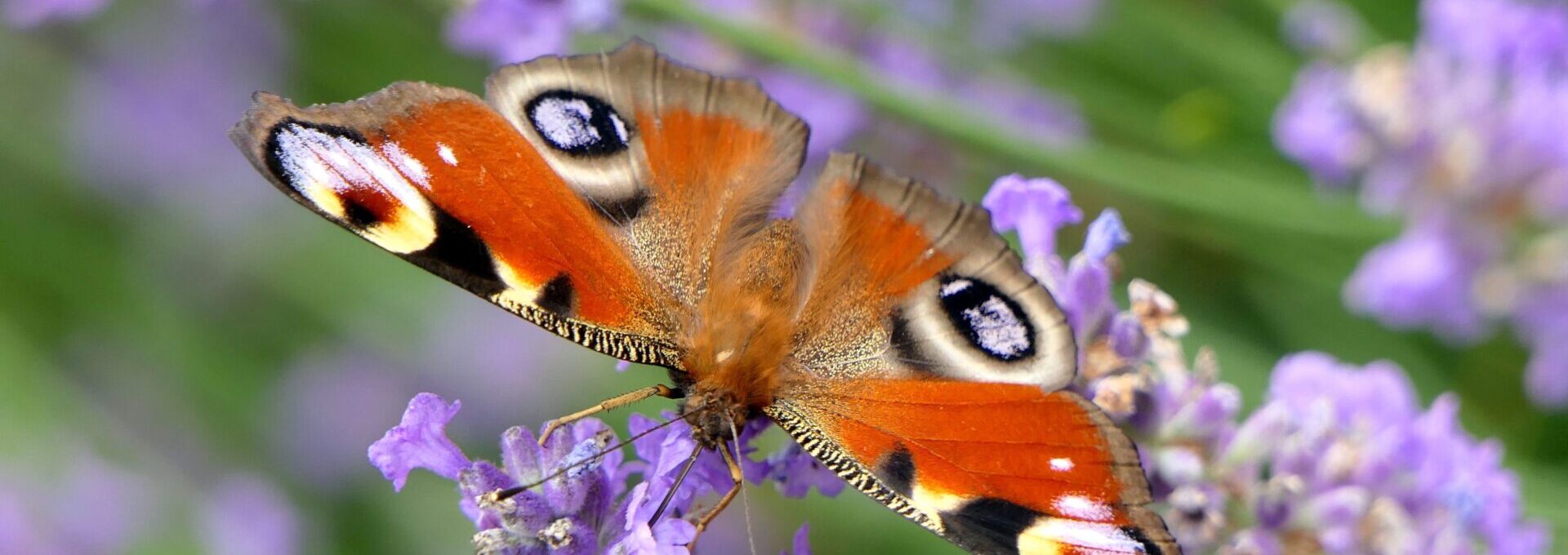
We can also be lulled into a false sense of climate security by the fact that some species thrive when conditions happen to suit them. This is especially true of insects and other life lower down the food chain. This year I’ve seen more butterflies than I have for a long time, making it tempting to think nature is recovering. But as long as a few survive, insects can suddenly seem abundant. A female Peacock butterfly can lay 500 eggs in just a couple of hours, and two weeks later that’s a lot of caterpillars feeding on nettles. The problem is that an increasingly erratic climate makes it less likely that next year will provide the same favourable conditions needed to sustain those gains.
If you’d like to get close to all this yourself, join the Wild Bunch on 16th July at 1.30pm by the notice boards in Rodden Meadow to survey butterflies with local expert John Samways. This is part of the Big Butterfly Count, taking place across Britain from that day until 9th August. Let’s hope this year’s results improve on the alarming 50% drop in sightings recorded in 2024. The sunnier summer of 2025 brought a welcome improvement, but returning to those long-term trends, the 15-year data show that more than twice as many species are declining as increasing, and we know other insects face similar long-term pressures. As individuals, that means never reaching for chemical pesticides when so many organic, biological and traditional alternatives are available if pest control is really necessary.
Meanwhile, enjoy the butterflies!