Hello, this is Jenny from the Wild Bunch. 3rd May was International Dawn Chorus Day, and it’s the best time of year to tune into garden birds singing their hearts out. All you have to do to enjoy it is open your window or go outside and listen. Migrant birds like swallows and swifts are returning to our town, local birds are feeding their young and new life is everywhere. Sadly, some of our birds are not thriving because of disease, greenfinches and bullfinches are experiencing serious decline. The good news is that we can help reduce the spread of disease by making a few simple changes to the way we feed the birds.
Feed seasonally and feed safely.
Feed seasonally. It has been found that during summer and autumn, there is a high risk of disease spreading from our bird feeders. The advice is to pause filling your bird feeders with seeds and peanuts. Small amounts of fat balls or suet is ok. From 1st November to 30th April the RSPB says we can begin feeding birds the full range of foods, including seeds and peanuts.
Feed safely. Bird feeders can be places where disease can spread – it is really important to keep everything clean. Clean bird feeders and water baths every week. Clean away old food and droppings from below the feeders. Change position of your feeders regularly this will help prevent build-up of debris underneath.
Don’t use flat surfaces like bird tables, window feeders and feeders with trays. Research has confirmed that there is a higher risk of contamination on flat surfaces. Feed in moderation, food you put out should be eaten within a couple of days. Avoid the damp, damp food allows disease to survive.
One of the best ways to help birds is to fill your outdoor areas with bird-friendly plants that provide food for them. Sunflowers, teasels and ivy are all natural food sources for birds.
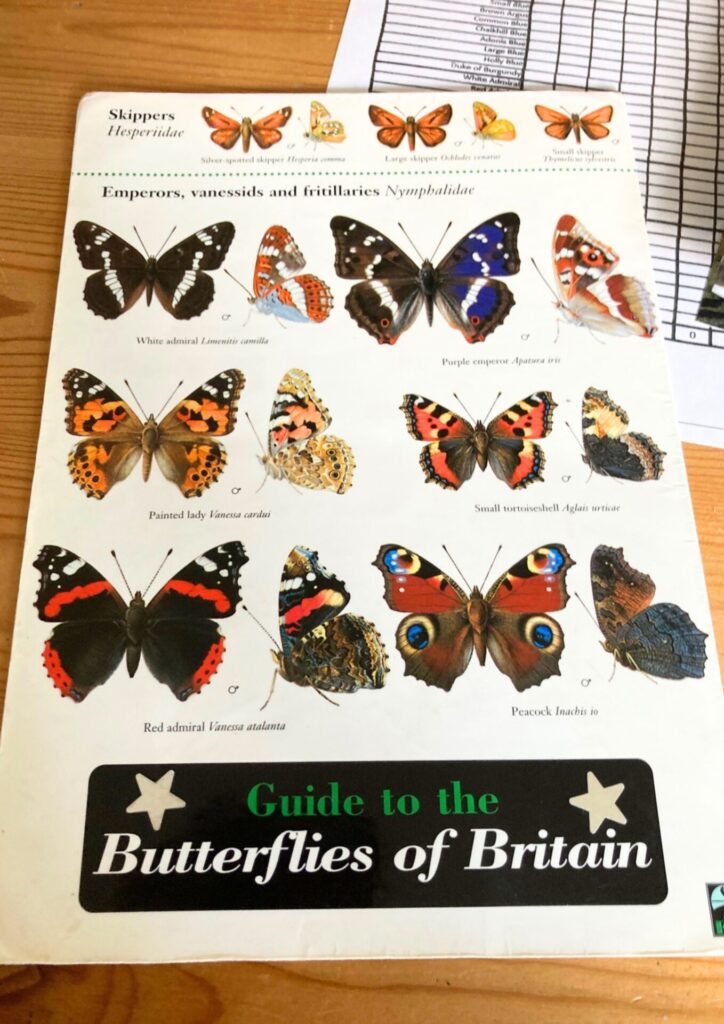
Recent reports are that butterfly numbers are dropping. It seems some butterflies are flourishing due to warmer weather, but the main findings are that overall numbers are declining. In the UK we have 59 native species, 33 have declined and 25 have improved. The sad picture is one of declining habitats, so butterflies are unable to extend their ranges. The variety of butterflies have been lost. Some species rely on one or two specific plants; the Purple Emperor for example relies on goat or grey willow. This species has been planted in the new community woodland in Frome, so fingers crossed. It is possible to think about planting specific plants in our gardens, window boxes and parks to support these beautiful creatures.
The Wild Bunch are planning a butterfly walk along Rodden Meadow in July, look out for information about attending this free event. Visit our website, read our newsletter or drop us a message to fromewildbunch@gmail.com