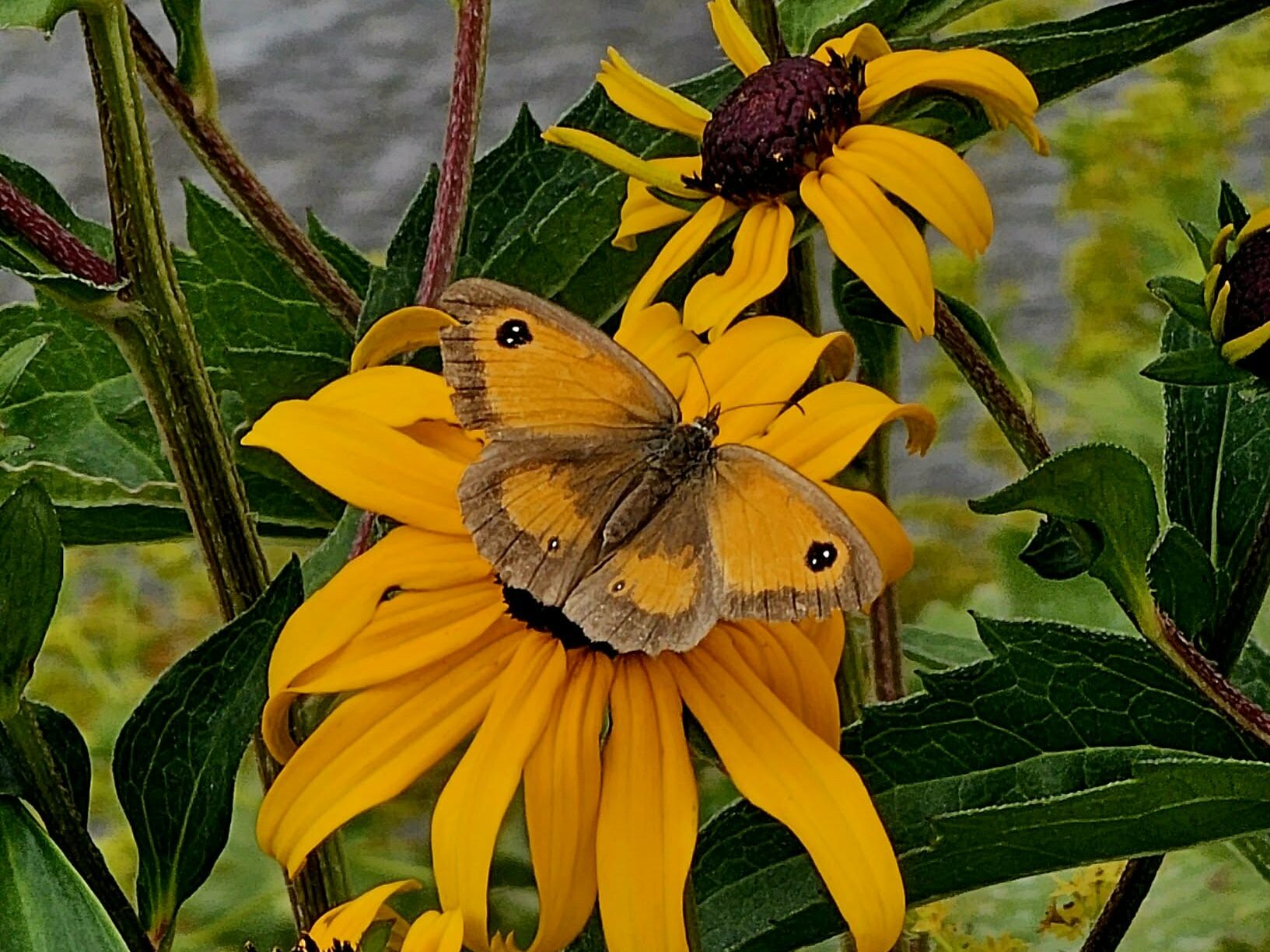
Hi, this is Jo from the Wild Bunch. By August, especially in this extremely dry weather, our gardens can start looking a little tired. Flowers are fading, grasses are turning brown and plants that looked glorious a few weeks ago may now be going to seed. It can be tempting to reach for the secateurs and give everything a good tidy up.
But before you do, please spare a thought for the wildlife making use of all that apparent mess! Those fading flowers and seed heads are far from finished. Plants such as teasels, sunflowers and thistles provide seeds for birds, while hollow and woody stems offer places for insects to shelter. Leaving some seed heads standing also gives plants the chance to seed themselves, providing more flowers next year.
Late summer is still an important time for insects, too. Bees, hoverflies, butterflies and moths are all making the most of the flowers that remain, so keeping late-flowering plants such as lavender, oregano, sedum and salvias can help extend the buffet well into autumn. If you do deadhead, consider leaving at least a few flowers to go to seed.
Longer grass and untidy corners are valuable too. Grasshoppers, beetles, spiders and caterpillars can all find food and shelter among longer vegetation, which in turn provides food for birds, bats and other wildlife. Even a small patch left alone can make a difference.
And if this dry summer continu, try not to worry about a brown lawn. Grass is remarkably resilient and usually greens up again when rain returns. Keeping it longer can help shade the soil and retain moisture, while avoiding unnecessary watering saves precious water.
Wildlife-friendly gardening doesn’t have to mean doing nothing. Paths can be cut through longer grass, vigorous plants kept in check and some areas tidied while others are left alone. It’s about making a little room for nature alongside the spaces we use ourselves.
So, if your garden is looking slightly wild around the edges this August, perhaps resist the urge to tidy everything away. With the dry weather continuing, nature needs all the help it can get. Don’t forget to leave out shallow dishes of fresh water for birds, insects and other garden visitors. Sometimes one of the best things we can do for wildlife is simply leave a little bit behind.
Our next gathering will be on 15 October 1.30pm to 3pm, at the Town Hall, and will focus on winter preparation: mulching, compost, hibernation. Booking will become available in September.