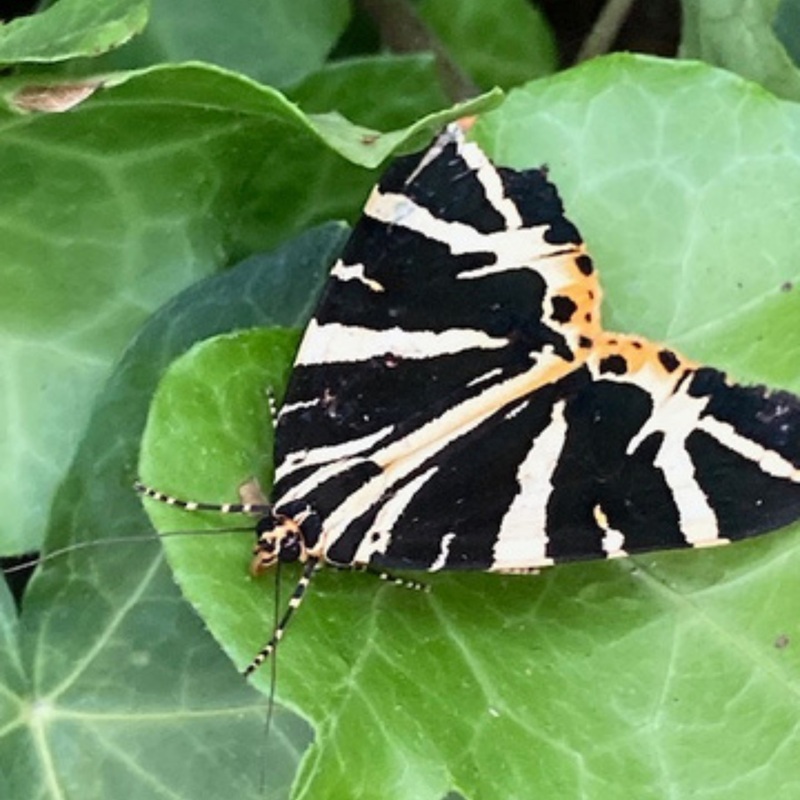
Hi Jenny, here from the Wild Bunch. The Wild Bunch recently organised a butterfly walk in Rodden Meadow. It was another hot afternoon and initially we did not see many butterflies, however as we progressed, we started to spot them. In fact, we saw 11 different species in an hour. The group of us wandered around the meadow, spotting the butterflies as they flitted around.
Rodden Meadow is a beautiful habitat and asset to Frome, an area of nature so close to our town centre. The town rangers have left areas of meadow where the long grasses are flourishing, and some tree planting has taken place. It is a lovely place to wander in, walk through or sit in especially by the river where dragonflies and damselflies can be spotted in their exuberant colours.
It seems to be a good year for butterflies, however certain species are doing well whereas others are sadly in decline due to habitat loss and climate change. Warmer springs trigger early emergence of butterflies, warmer summers encourage flight and feeding, conservation efforts like planting nectar-rich flowers, leaving grass unmown and not using pesticides have bolstered populations.
We can help the butterflies if we have a garden, window box or allotment – we can be butterfly friendly in these areas by not being too tidy. We can spot butterflies in public places too. Butterfly chrysalises overwinter inside plant stems: these are the next generation. If we are pruning in the autumn, we are wiping out generations of butterflies. Every cut plant is potentially a chrysalis destroyed, leaving a mass grave of insects in your compost bin.
A tidy garden means zero butterflies next year. When you cut back perennials you are discarding the stems butterflies are pupating in. Try to resist cutting back, allow these beautiful creatures to overwinter in your garden. Ironically, we encourage planting bee-friendly flowers in spring but can easily kill butterflies in the autumn.
What we can do: leave perennials standing until April, resist cutting back. The dry stems are winter hotels for future life. Let compost rest over winter. Help butterflies by leaving the dry stems, three months of peace and by May the butterflies will have flown.
There is a national butterfly count currently taking place from 17 July to 9 August. To participate, spend 15 mins in a sunny spot and count the maximum number of each butterfly species and day-flying moth you see. Log your results online to the butterfly conservation trust. Good luck the butterflies can be fast but it’s great fun trying to ID them as they flit around.
Join the Big Butterfly Count at https://bigbutterflycount.butterfly-conservation.org.